
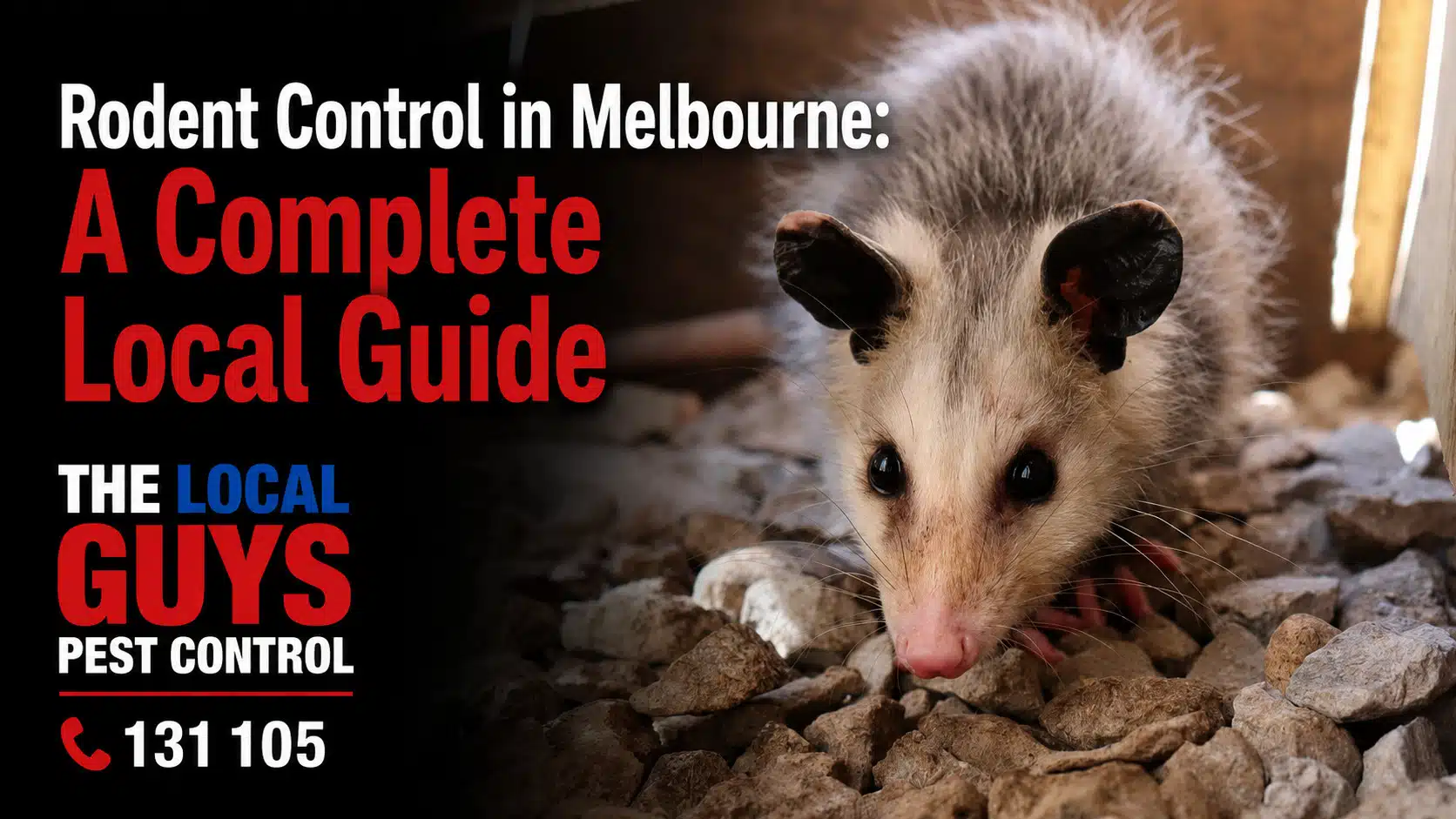
Melbourne winters bring cold mornings, rainy days and plenty of reasons to stay indoors. Unfortunately, we're not the only ones looking for somewhere warm and comfortable when the temperature drops.
Rats and mice can also seek shelter inside homes, particularly in roof cavities, wall spaces, garages and other areas where they can stay protected from the weather. You might hear something scratching above your ceiling at night, notice small droppings in the garage or discover that something has chewed through a packet of food in the pantry.
It's easy to dismiss these signs at first. After all, you might assume the noise is coming from a bird on the roof or that a mouse has simply wandered inside. But repeated signs of rodent activity are worth investigating before the problem becomes more difficult to manage.
Melbourne's mix of older houses, apartment buildings, established gardens and properties near parks or waterways provides plenty of environments where rodents can find food and shelter.
This guide explains why rats and mice may enter Melbourne homes during winter, how to recognise the warning signs and what you can do to stop them from returning. If you've already discovered an infestation, The Local Guys provides professional rodent control services in Melbourne to help assess and manage the problem.
Why Do Rats and Mice Enter Melbourne Homes During Winter?
Rats and mice need food, water and shelter throughout the year. However, Melbourne's cooler winter conditions can make protected indoor spaces particularly attractive.
Roof cavities, wall spaces and garages provide shelter from rain, wind and low temperatures. If rodents can access these areas and find reliable food sources nearby, they may settle in and remain active for extended periods.
Rodents don't hibernate during winter. They continue feeding, moving around and reproducing when conditions are suitable.
Although homeowners may notice more indoor activity during colder months, rats and mice can cause problems at any time of year.
Does Cold Weather Drive Rats Indoors?
Cold weather can influence where rodents seek shelter, but temperature isn't the only factor.
Food availability, building access and suitable nesting locations also play important roles. A property with accessible rubbish bins, pet food or sheltered storage areas may attract rodents regardless of the season.
During winter, roof cavities and wall spaces can offer protection from outdoor conditions. Once rodents find a suitable location, they may continue using it even when temperatures become warmer.
This is why simply waiting for winter to end isn't a reliable way to resolve an infestation.
Why Melbourne Properties Can Attract Rodents
Melbourne has a wide variety of housing styles, from older weatherboard cottages and Victorian terraces to modern townhouses and apartment buildings.
Each property type can have different vulnerabilities. Older homes may have gaps around subfloors, roofing and building materials, while newer properties can develop openings around service penetrations, garages and poorly sealed doors.
Established gardens, dense vegetation and nearby food sources can also influence rodent activity.
Rather than assuming a particular suburb has a rodent problem, it's more useful to examine the conditions around an individual property.
Are Rats Common in Melbourne?
Rats and mice are established in Melbourne's urban environment and can be found in residential, commercial and outdoor areas.
Like many cities, Melbourne provides rodents with access to food, shelter and suitable nesting locations. Parks, drainage areas, gardens, rubbish storage areas and buildings can all contribute to these conditions.
However, seeing a rat outdoors doesn't necessarily mean your home is infested.
The important distinction is whether rodents have found a way into your property or are repeatedly using areas around the building.
Where Are Rats More Likely to Be Found Around Melbourne Homes?
Rodent activity can occur in different environments, including:
| Property Environment | Possible Rodent Attraction |
|---|---|
| Older weatherboard houses | Subfloor spaces, roofing gaps and sheltered cavities |
| Inner-city terraces | Building gaps, shared walls and nearby food sources |
| Apartment buildings | Rubbish storage areas, service spaces and shared facilities |
| Homes near parks or reserves | Vegetation, shelter and outdoor food sources |
| Properties near waterways | Suitable vegetation and protected nesting areas |
| Houses with large gardens | Compost, fruit trees, sheds and stored materials |
These environments don't automatically indicate an infestation. Rodent risks depend on the availability of food, water, shelter and access points.
Common Types of Rats and Mice Found in Melbourne
Three rodent species commonly associated with Australian urban environments are roof rats, Norway rats and house mice.
Understanding their differences can help homeowners recognise where activity may be occurring.
Roof Rats
Roof rats, also known as black rats, are agile climbers that can move along fences, branches, downpipes and building structures.
They may enter roof cavities through gaps around roofing materials, eaves and other elevated openings.
If you're hearing repeated scratching or scurrying above your ceiling, roof rats are one possible explanation.
However, roof noises alone aren't enough to confirm their presence because other animals can produce similar sounds.
Norway Rats
Norway rats, sometimes called brown rats, are generally larger and more strongly associated with ground-level activity.
They may burrow around gardens, sheds, drainage areas and other sheltered locations.
Norway rats can also enter buildings through damaged vents, subfloor openings and gaps around service penetrations.
Their presence may be indicated by burrows, droppings, gnaw marks or repeated movement along protected pathways.
House Mice
House mice are considerably smaller than rats and can squeeze through narrow openings around doors, pipes and building materials.
They may shelter inside wall cavities, cupboards, garages and areas close to stored food.
Mice can be difficult to detect because they often remain hidden and may be active when household members are sleeping.
Rats vs Mice: How to Tell the Difference
| Feature | Rats | Mice |
|---|---|---|
| Size | Generally larger | Smaller |
| Droppings | Usually larger and thicker | Smaller, often resembling grains of rice |
| Common hiding places | Roof spaces, subfloors, gardens and sheltered structures | Cupboards, wall cavities and storage areas |
| Entry points | Roofing gaps, vents and structural openings | Very small gaps around pipes, walls and doors |
| Common warning signs | Gnaw marks, droppings, noises and burrows | Small droppings, food damage and nesting materials |
The size and shape of droppings can provide clues, but correct identification isn't always possible from droppings alone.
If you're unsure which rodent is present, an inspection can help determine the species and where it's sheltering.
7 Signs of Rats or Mice in Your Melbourne Home
Rats and mice are often difficult to spot because they prefer sheltered areas and may be most active when people aren't around.
Fortunately, they often leave evidence behind.
Recognising these warning signs can help you identify a potential infestation before the problem becomes more serious.
1. Scratching or Scurrying Noises in the Roof
One of the most common complaints from homeowners is hearing scratching or movement above the ceiling, particularly at night.
These noises may indicate rats or mice moving through roof cavities or wall spaces.
However, birds and possums can also enter roof areas, so identifying the animal is important before deciding how to manage the problem.
If the noise continues, pay attention to when it occurs and whether you've noticed droppings or other signs nearby.
2. Rodent Droppings
Droppings are one of the more recognisable signs of rodent activity.
You may find them around food storage areas, behind appliances, inside garages or along walls where rodents regularly travel.
Rat droppings are generally larger than mouse droppings, although their appearance varies between species.
Avoid sweeping or vacuuming dry droppings because this can disturb potentially contaminated dust. Use appropriate protective equipment and follow safe cleaning and disinfection guidance.
3. Gnaw Marks Around the Property
Rats and mice regularly gnaw on materials because their front teeth continue growing throughout their lives.
You might notice damaged food packaging, marks on timber or signs of chewing around plastic materials.
Rodents may also damage electrical wiring, which can create potential fire and electrical safety hazards.
If you suspect electrical cables have been damaged, avoid touching the affected components and arrange an inspection by a licensed electrician.
4. Unusual Smells
Rodent urine, droppings and nesting materials can contribute to unpleasant odours, particularly in enclosed spaces.
A strong smell coming from a roof cavity or wall may also indicate a dead animal, although plumbing and moisture problems can produce similar odours.
If the smell appears alongside scratching noises, droppings or gnaw marks, further investigation may be needed.
5. Damaged Food Packaging
Rodents can chew through cardboard and some plastic packaging to reach food.
Common signs include small holes in packets, scattered food or droppings around pantry shelves.
If food may have been contaminated by rodents, discard it rather than attempting to salvage the contents.
Store replacement items in secure, rodent-resistant containers.
6. Shredded Nesting Materials
Rats and mice may use paper, fabric, cardboard and insulation to build nests.
You might discover shredded materials inside storage areas, roof cavities or sheltered spaces around the property.
Nesting materials don't always confirm that rodents are currently present, but they can indicate previous or ongoing activity.
Avoid disturbing areas containing large amounts of suspected rodent contamination without suitable precautions.
7. Greasy Marks Along Walls
Rats often travel along walls and other protected pathways.
Repeated movement may leave dark or greasy marks along skirting boards, pipes or narrow entry routes.
When these marks appear alongside droppings or gnaw damage, they can help identify areas where rodents have been active.
Why Do You Hear Scratching in Your Roof at Night?
Hearing movement in your roof can be unsettling, particularly when it happens repeatedly while you're trying to sleep.
Rats and mice are possible causes, but they aren't the only animals that may enter roof cavities.
In Melbourne, possums and birds can also create scratching, movement and occasional thumping sounds.
How Can You Tell if It's Rats or Possums?
Rats may produce lighter scratching or scurrying sounds as they move through roof spaces.
Possums are generally larger animals and may create heavier movement or thumping sounds.
However, sound alone isn't a reliable identification method.
Possums are protected wildlife in Victoria, and their management is subject to specific regulations. If you suspect a possum is living in your roof, seek advice from an appropriately authorised wildlife professional.
You can find information about wildlife management through the Victorian Government.
Never block a suspected animal entry point until you've confirmed the animal has left or been appropriately managed.
Where Do Rats and Mice Enter Melbourne Homes?
Rodents can take advantage of gaps and damaged building materials that homeowners may not notice during everyday maintenance.
Mice can squeeze through particularly small openings, while rats may enter through damaged roofing, vents or gaps around pipes.
Common Rodent Entry Points
| Entry Point | What to Check |
|---|---|
| Roof tiles and roofing materials | Missing, damaged or displaced sections |
| Eaves and fascia boards | Gaps around building joints |
| Plumbing penetrations | Openings where pipes enter walls |
| Subfloor vents | Damaged mesh or missing covers |
| External doors | Gaps beneath doors and damaged seals |
| Garage doors | Openings around the edges |
| Wall cavities | Accessible gaps and damaged materials |
| Outdoor structures | Openings around sheds and storage areas |
Melbourne's older housing stock may have construction features that require additional attention, but newer buildings can also develop entry points through wear or damage.
Can Rats Climb Trees to Reach Your Roof?
Yes. Roof rats are capable climbers and may use tree branches, fences and other structures to reach elevated areas.
If branches touch or overhang your roof, trimming them where appropriate can help reduce direct access.
However, vegetation management alone won't necessarily prevent rodents from reaching your home.
Checking roof openings and repairing suitable entry points are also important.
Can Mice Enter Through Small Gaps?
House mice can sometimes squeeze through openings around 6 mm wide, depending on the animal and shape of the gap.
That's why small spaces around plumbing, doors and external walls shouldn't be overlooked.
Suitable rodent-resistant materials can help close identified openings without compromising essential ventilation or drainage.
What Should You Do if You Find Rats or Mice in Your Home?
Discovering rodents doesn't necessarily mean you need to panic or immediately apply pesticides.
Start by reducing accessible food sources and identifying where the activity is occurring.
If you're dealing with a small, isolated problem, appropriate trapping and property maintenance may help. However, established infestations can require a more comprehensive approach.
Secure Food and Rubbish
Store pantry items, pet food and animal feed in hard containers with secure lids.
Clean food preparation areas and remove accessible scraps.
Outdoor rubbish bins should remain closed, while compost systems should be properly maintained.
Reduce Clutter
Garages, sheds and storage areas can provide sheltered nesting locations.
Keeping these areas organised makes it easier to inspect for droppings, damaged materials and entry points.
Avoid unnecessarily disturbing areas that may contain rodent contamination.
Identify Possible Entry Points
Check accessible external areas for damaged vents, roofing gaps and openings around building services.
Make a note of any suspected entry points.
However, don't immediately seal every opening if rodents may still be inside. Trapping animals within walls or roof cavities can create additional problems.
Use Traps and Baits Carefully
Traps can help manage some small rodent problems when used appropriately.
If you choose to use rodent baits, follow the product label and take precautions to protect children, pets and non-target wildlife.
Never leave loose bait in accessible locations.
For homes near parks, reserves or areas frequented by wildlife, consider the risks associated with rodenticides and seek professional advice about suitable alternatives.
Monitor Activity
Keep track of where you've found droppings, heard noises or noticed damage.
If activity continues despite your efforts, a professional inspection may help identify the source.
The Local Guys provides rodent control services in Melbourne for homeowners dealing with persistent rat and mouse problems.
How to Prevent Rats and Mice From Entering Your Melbourne Home
Preventing rodents from entering your home is often more effective than repeatedly treating new infestations.
The best approach focuses on reducing access to food, water and shelter while addressing suitable entry points.
Keep Food Securely Stored
Rodents are attracted to easily available food.
Store pantry items and pet food in sealed containers, clean up crumbs and avoid leaving food accessible overnight.
If you have outdoor animals, keep feed stored securely.
Maintain Gardens and Outdoor Areas
Dense vegetation, accumulated materials and poorly maintained storage areas can provide shelter.
Keep garden areas organised and avoid allowing unnecessary clutter to collect against the building.
Where appropriate, trim vegetation that provides direct access to roofing.
Inspect Roofing and External Walls
Damaged roof tiles, gaps around eaves and openings near service penetrations can allow rodents into buildings.
Check accessible areas regularly and arrange suitable repairs when damage is identified.
Don't attempt unsafe roof work or enter confined spaces without appropriate equipment and experience.
Repair Damaged Vents and Seals
Subfloor vents, door seals and garage openings are worth checking, particularly in older properties.
Suitable metal mesh and other rodent-resistant products can help reduce access.
Avoid blocking essential ventilation or drainage openings.
Address Moisture Problems
Leaking pipes, standing water and other moisture sources may make some areas more attractive to rodents.
Repairing leaks and maintaining drainage can help reduce these conditions.
This can also benefit the overall maintenance of your property.
Continue Monitoring
If you've experienced rodents before, look for fresh droppings, new gnaw marks or recurring noises.
Regular checks can help identify new activity before an infestation becomes established.
When Should You Call a Professional Rodent Controller?
Some minor rodent problems can be managed through suitable trapping, cleaning and property maintenance.
However, professional assistance may be appropriate if the infestation is persistent, difficult to access or creating safety concerns.
Consider seeking help if:
- You're regularly hearing movement in roof cavities.
- Droppings continue appearing after cleaning.
- Rodents are damaging food packaging or building materials.
- You suspect electrical wiring has been damaged.
- Rats or mice are appearing in several areas.
- DIY treatments haven't reduced activity.
- You're unsure how rodents are entering your property.
A professional inspection can help identify the species, determine possible nesting locations and recommend appropriate management options.
For information about available treatments and booking options, visit our Rodent Control Melbourne service page.
What Happens During Professional Rodent Control?
Professional rodent management generally begins with an inspection to identify activity, nesting areas and possible entry points.
The technician may examine accessible roof spaces, subfloor areas, garages and other locations where rodents are suspected.
Depending on the infestation, management may involve trapping, appropriately secured bait stations, exclusion recommendations and follow-up monitoring.
The treatment should consider risks to children, pets and non-target wildlife.
Your technician should explain what the treatment includes, any preparation requirements and whether additional visits may be necessary.
For Melbourne homeowners, professional advice can be particularly useful when rodents have entered roof cavities or other areas that are difficult to inspect safely.
Frequently Asked Questions About Rats and Mice in Melbourne
Why Do Rats Enter Melbourne Homes During Winter?
Rats may seek sheltered areas during colder weather, particularly when they can find food and suitable nesting locations. Roof cavities, garages and wall spaces can provide protection from outdoor conditions. However, rodents remain active throughout the year and can enter homes during any season.
Are Rats Common in Melbourne?
Rats and mice are found throughout Melbourne's urban environment. They may shelter around gardens, buildings, drainage areas and locations where food is available. However, seeing a rat outdoors doesn't necessarily mean your home has an infestation.
How Do I Know if Rats Are Living in My Roof?
Common signs include repeated scratching or scurrying noises, droppings, gnaw marks and nesting materials. However, birds and possums can produce similar sounds. An inspection can help determine which animal is present.
Can Rats Damage Electrical Wiring?
Yes. Rats and mice may chew electrical cable insulation, potentially creating electrical and fire hazards. If you suspect damaged wiring, avoid touching affected components and arrange an inspection by a licensed electrician.
Can Mice Enter Through Small Gaps?
Yes. House mice can squeeze through very narrow openings, sometimes around 6 mm wide. Gaps around doors, pipes, vents and external walls can provide possible entry points.
Will Rats Leave When Winter Ends?
Not necessarily. Rodents may continue using a property if food, water and shelter remain available. Warmer weather doesn't automatically eliminate an established infestation.
How Can I Stop Rats From Entering My Roof?
Inspect accessible roof openings, maintain suitable vegetation, repair damaged building materials and reduce available food sources. If rodents are already present, identify and manage the infestation before sealing suspected entry or exit points.
Can I Get Rid of Rats Without Professional Treatment?
Some small rodent problems may respond to suitable trapping and property maintenance. However, recurring activity, difficult-to-access nesting areas or widespread infestations may require professional assessment.
Are Rodent Baits Safe Around Pets?
Rodent baits can be hazardous to pets and non-target wildlife if used incorrectly. Always follow product labels and use appropriate protective bait stations where required. If pets may have accessed bait, seek veterinary advice immediately.
What Should I Do if I Find Rodent Droppings?
Avoid sweeping or vacuuming dry droppings. Wear appropriate protective equipment and follow recommended cleaning and disinfection precautions. For extensive contamination or difficult-to-access areas, consider professional cleaning advice.
Keep Rats and Mice Out of Your Melbourne Home
Melbourne's cooler months can make sheltered areas around homes attractive to rats and mice, but winter isn't the only time rodents can cause problems.
If food, water and suitable entry points remain available, rodents may continue using a property throughout the year.
Understanding the warning signs, checking for possible entry points and maintaining your home can help reduce the likelihood of an infestation.
For smaller problems, cleaning, monitoring and appropriate trapping may help. However, persistent rodent activity often requires a more thorough assessment.
If you're regularly hearing scratching in your roof, finding droppings or noticing damage around your property, The Local Guys Pest Control can help.
Our team provides professional rodent control across Melbourne, including inspection and treatment options for residential properties.
Request a Free Rodent Control Quote
Call 13 11 05
